
Emerging Opportunities in the AR/VR Hardware Market
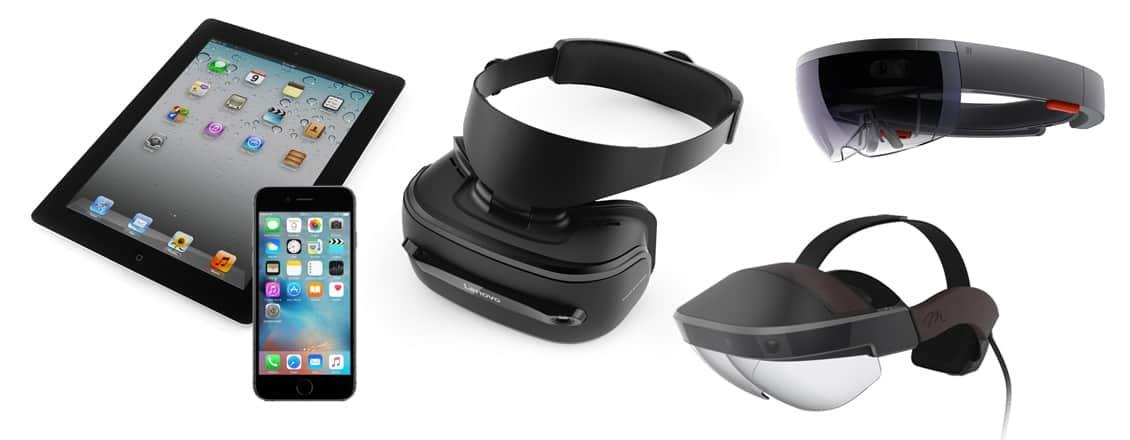
The AR/VR hardware market analysis reveals complex dynamics influencing industry development and competitive positioning strategies. Porter's Five Forces framework illuminates competitive intensity and profitability potential across market segments accurately. The AR/VR Hardware Market Analysis examines supply chain structures, distribution channels, and value creation mechanisms comprehensively. The AR/VR Hardware Market size is projected to grow USD 1910487.15 Billion by 2035, exhibiting a CAGR of 37.5% during the forecast period 2025-2035. SWOT analysis identifies strengths, weaknesses, opportunities, and threats facing market participants systematically. PESTLE analysis examines political, economic, social, technological, legal, and environmental factors shaping conditions. Value chain analysis identifies profit pool distribution across industry participants and activities. Ecosystem mapping reveals interdependencies between hardware manufacturers, software platforms, and content creators.
Supply side analysis examines component availability and manufacturing capacity affecting device production globally. Display manufacturers including Sony, Samsung, BOE, and LG supply critical micro-display components. Optical component suppliers provide lenses, waveguides, and mirror systems for AR/VR devices. Sensor manufacturers deliver cameras, inertial measurement units, and depth sensing components. Processor suppliers including Qualcomm provide specialized chips optimized for spatial computing workloads. Battery technology limitations constrain device capabilities and usage duration between charges. Manufacturing capacity for specialized components limits production volumes during high-demand periods. Geographic concentration of manufacturing creates supply chain risks requiring diversification strategies.
Demand side analysis explores purchasing behavior patterns and decision-making processes across segments. Consumer purchasing emphasizes experience quality, content availability, and brand reputation factors. Gaming enthusiasts prioritize performance specifications and exclusive content availability. Enterprise purchasing involves complex evaluation processes with multiple stakeholder requirements. Total cost of ownership calculations include hardware, software, content, and support costs. Pilot program results influence broader deployment decisions within organizations. Reference customer requirements influence vendor selection through peer validation importance. User experience and comfort characteristics determine adoption success beyond specifications.
Regulatory environment analysis examines compliance requirements affecting product design and market access. Privacy regulations govern data collection through sensors and cameras on AR/VR devices. Safety standards address concerns about visual, physical, and psychological effects of usage. Electromagnetic compatibility requirements ensure devices operate without interference issues. Product liability considerations influence design decisions regarding potential usage risks. Age restrictions may apply to devices and content marketed to younger users. Accessibility requirements ensure devices accommodate users with diverse abilities appropriately. International regulatory variations complicate global product launches and distribution strategies.
Top Trending Reports -
APAC Agriculture Analytics Market Segmentation

 English
 Arabic
 French
 Spanish
 Portuguese
 Deutsch
 Turkish
 Dutch
Dutch
 Italiano
 Russian
 Portuguese (Brazil)
 Greek
Greek